Airbus and BioGlobal sign JSA to boost SAF development in Colombia
Bogotá, Colombia — [October 20, 2025] — Airbus and Bioglobal have signed a collaboration agreement through a Joint Study Agreement…



The company reduced 663,541 metric tons of CO2e in 2025, reinforcing its position as a key player in Colombia’s energy transition. It is also part of an industry that generates more than 70,000 jobs and contributes to strengthening the country’s energy security.
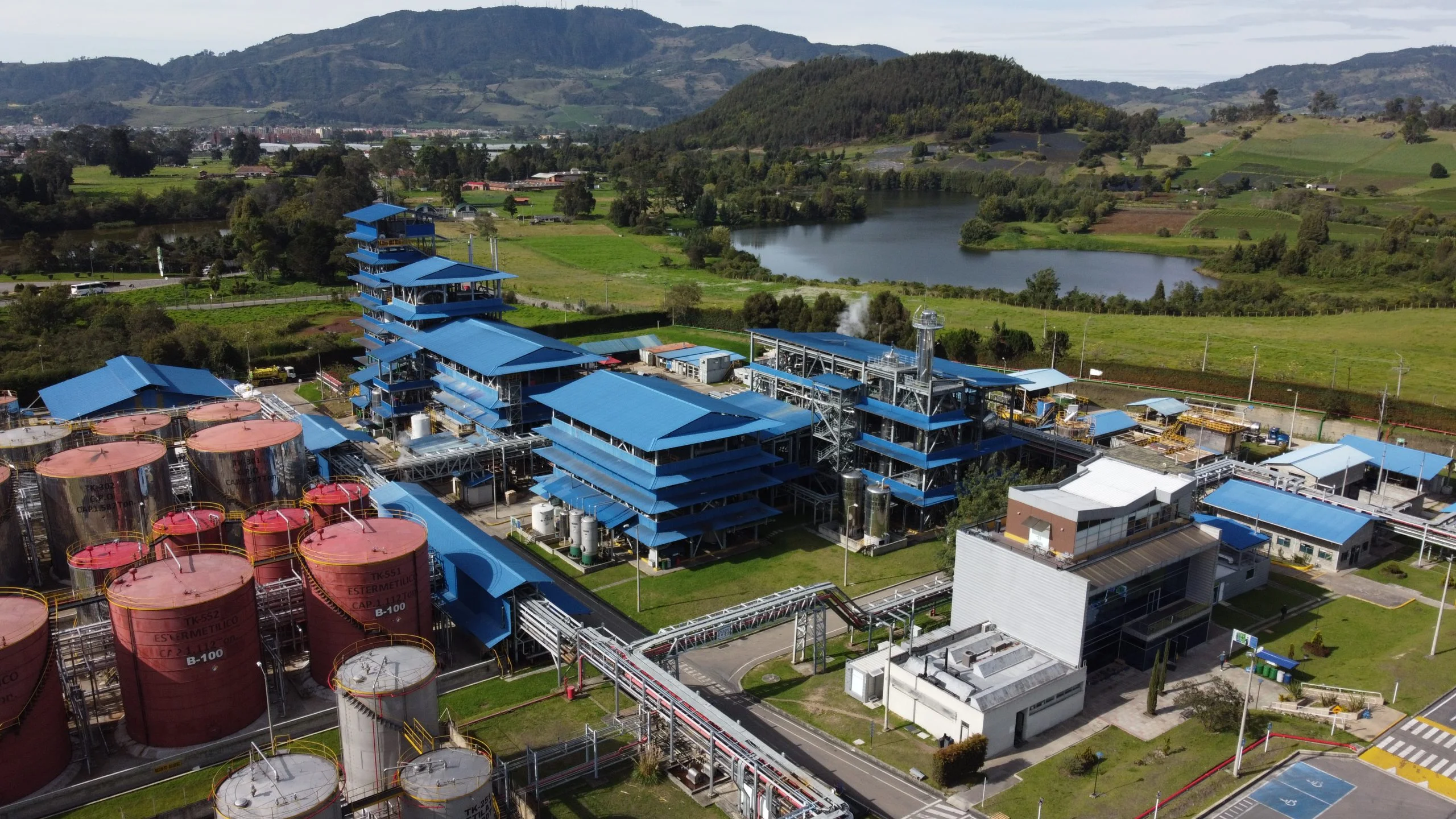
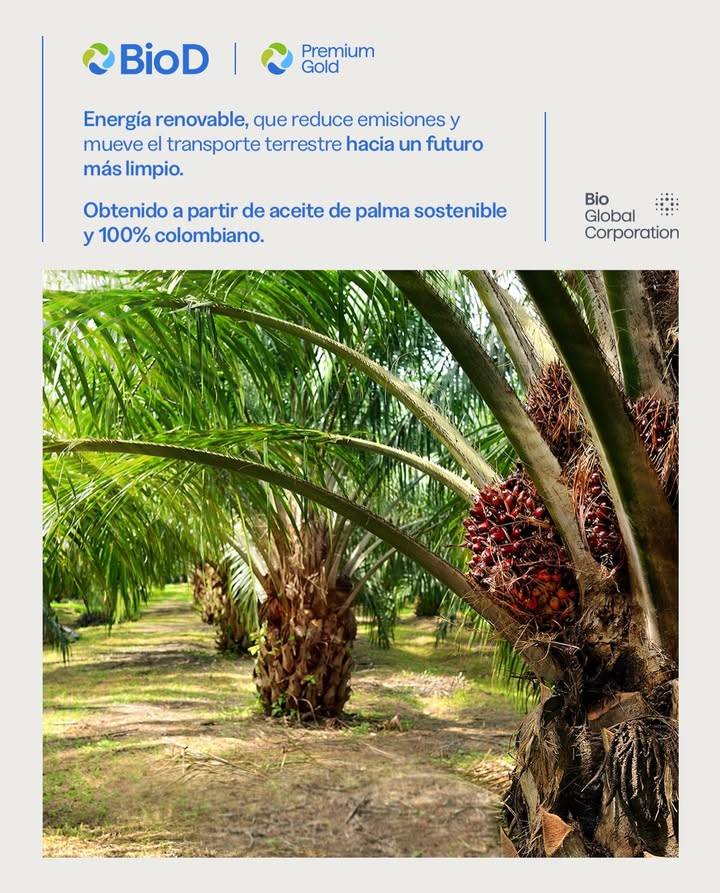
In a global context where climate change demands the urgent reduction of greenhouse gas emissions, biofuels have emerged as a key solution for decarbonizing sectors that are difficult to electrify, such as heavy-duty, maritime, and aviation transport. In Colombia, this mission is led by BioD, a company founded in 2009 to diversify energy sources, reduce emissions, and promote formal employment through biodiesel produced from sustainable feedstocks such as palm oil and used cooking oil.
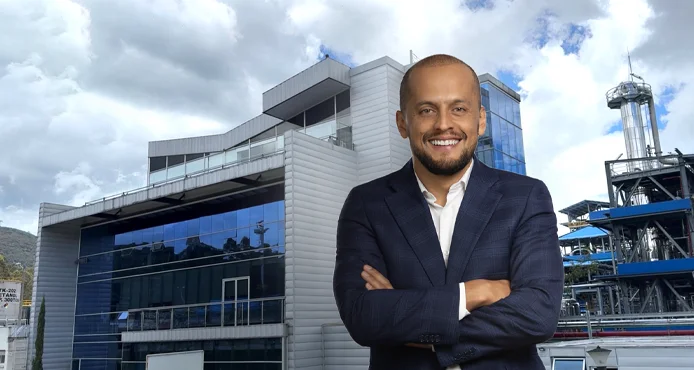
According to Javier Ospina, CEO of BioD, the company reduced 663,541 metric tons of CO₂e in 2025—equivalent to removing all vehicles from Bogotá’s roads for 87 days. These results represent a 92% reduction in emissions compared to the fossil diesel with which biodiesel is blended. Nationwide, the use of biofuels prevented the emission of more than 2.2 million metric tons of CO₂e and reduced nearly 500 metric tons of particulate matter, a highly carcinogenic pollutant that poses serious risks to respiratory health.
“By using biodiesel blends, we are able to reduce particulate matter emissions. This delivers two major benefits: first, decarbonization; and second, cleaner air,” said Javier Ospina, CEO of BioD.
However, as Ospina explains, the impact of this industry extends far beyond environmental metrics. Its true value lies in understanding that biodiesel is not only a fuel, but also an integrated solution that connects sustainability, energy security, agribusiness, and regional development.
“Something important about BioD is that there is an entire value chain that strengthens the sector. Every product we manufacture is connected to the countryside, because our biodiesel is made from palm oil sourced from crops in Colombia’s Eastern Plains. This chain also includes the industry that produces it, logistics, transportation, innovation, employment, and sustainability,” explains the company’s general manager.
This vision has transformed the company into a platform for productive development, generating nearly 8,300 direct and indirect jobs nationwide and contributing to the growth of an industry that, as a whole, provides approximately 70,000 direct and indirect jobs across the country. BioD has demonstrated that industrial growth, environmental conservation, and social development can go hand in hand. To support this commitment, the company rigorously monitors the cultivated hectares of its suppliers, complying with the Voluntary Zero-Deforestation Agreement across 100% of the crops belonging to its supplier partners.
“It ultimately becomes an energy solution, but also a platform for productive development in Colombia, creating an impact not only for those who work at the company, but for everyone throughout the value chain. The concept is especially powerful because it involves transforming the productive capacity of the countryside into clean energy for the country. This industry creates demand for agricultural raw materials such as palm oil, strengthening regional value chains, stimulating the rural economy, and contributing to job creation across local communities,” Ospina emphasizes.
In an international context marked by conflict and rising fossil fuel prices, Colombia’s domestic biodiesel production has become a key pillar of the country’s energy security. As BioD’s general manager explains, it is essential for the country to diversify its energy mix and make use of its existing capabilities.
“Last year, this market reached a historic sales volume of 727,000 tonnes, representing 5.7% growth compared with 2024. This confirms that Colombia has a mature industry capable of responding to energy demand while contributing stability, resilience, and added value to both the biofuel and conventional fuel mix.”
However, the company’s ambitions extend beyond land transportation. BioD is a pioneer in Latin America in the use of biodiesel blends in international waters, having delivered more than 850 tonnes of fuel produced from residual raw materials. At the same time, it is entering the sustainable aviation fuel market, a sector facing major decarbonization challenges.
“The country has the right conditions to participate in this emerging industry. We have sufficient raw material availability because, in the case of sustainable aviation fuel, it can be produced from sugarcane ethanol or biomass, giving us access to a broad range of feedstocks. We are also strategically located. El Dorado International Airport plays a very important role because it supplies many airlines operating around the world. This accumulated knowledge and technical capability give us a competitive advantage when it comes to producing and entering this new market,” the manager explains.
To build a stronger industry, Ospina emphasizes that the country needs clear and stable rules that recognize the environmental contribution of these biofuels, as well as a regulatory framework that establishes clear stages for increasing blend levels.
In the public debate, electric mobility, hydrogen, and biofuels are often presented as mutually exclusive alternatives. However, BioD’s vision is based on integrating these solutions and making the most of their potential.
“The energy transition will not be achieved through a single source. Biodiesel is an immediate short-term solution. The question is not which technology should replace another, but how we can combine the best solutions to decarbonize faster and achieve a greater impact,” he explains.
Looking ahead to 2035, the company aims to become an ecosystem of renewable solutions, tripling its current impact. Its objective is clear: to continue demonstrating that it is possible to decarbonize transportation in Colombia—across the land, maritime, and aviation sectors—regenerate territories through sustainable agribusiness, and grow responsibly, while consolidating a resilient, low-carbon national energy mix that is deeply connected to the social development of Colombia’s rural communities.





Fill in the form and you will be contacted soon by one of our advisors to provide you with more information.